
Welcome to the financial Hunger Games, where your first crypto exchange profile is like lighting a signal fire. It’s like Tinder for your net worth – but instead of swiping right on bad choices, you’re finding digital assets. These assets could either skyrocket or plummet, like a Netflix show.
Learning about crypto exchanges isn’t about memorizing complex texts. It’s about understanding why cold wallets are the Fort Knox of digital Darwinism. And why that “forgot password” button is like a self-destruct button. Did you know 23% of beginners lose assets due to security mistakes? (Yes, we’re judging quietly.)
Setting up your first portfolio isn’t hard – it’s like putting together IKEA furniture. We’ll help you navigate exchange interfaces and understand wallet security. And we’ll ask the big question: “Would you leave your car unlocked with the keys in the ignition?” (Spoiler: Your crypto deserves better.)
This isn’t your dad’s brokerage account setup. We’re adapting old ways for a new era of memecoins and NFTs. Ready to make “HODL” a real strategy? Let’s start.
Introduction: Picking an Exchange
Choosing your first crypto exchange is like trying out cars at a dealership that also sells jetpacks. You might want the sleek Tesla for its easy design, the pickup truck for heavy trading, or the unmarked van for big gains. Use Empower’s goal-setting framework to avoid trouble.
- Liquidity Matters: Coinbase has $300B+ daily volume, like Times Square traffic. Smaller exchanges are quieter. More liquidity means faster, fairer trades.
- Fee Structures: Binance.US charges 0.1% for takers, like a Costco membership. Kraken’s 0.26% seems high but includes Fort Knox-level security.
- Leverage Warnings: That “100x” button is not a fast car. It’s like fireworks on a shopping cart. Newbies should avoid it until they know their limits.
Creating your exchange account should match your financial goals:
| Platform | Best For | Risk Level |
|---|---|---|
| Coinbase | Casual investors | Low (FDIC-insured USD) |
| Kraken | Active traders | Medium (Advanced tools) |
| Binance.US | Altcoin enthusiasts | High (Volatile assets) |
Security is key. A good exchange’s security page should be detailed, not vague. Look for:
- Cold storage percentages (80%+ ideal)
- Two-factor authentication mandates
- Regular third-party audits
Remember, Understanding crypto exchanges means knowing when low fees mean low security. Your first exchange is like a learner’s permit, not where you park life savings.
Registration & KYC: What You Need
Imagine James Bond opening a Swiss bank account, but instead of martini-shaking, it’s all about PDFs. The Know Your Customer (KYC) process is like a background check for crypto. It’s not MI6 checking you, but an algorithm judging your phone photos.

The Paperwork Tango
Exchanges ask for different documents like bouncers at a club. Binance might just want your passport selfie. Kraken, on the other hand, wants your utility bills from the Obama era. It’s more like playing a game of financial document Tetris.
Documents Decoded
Here’s what works when you open crypto account:
| Document Type | Binance | Kraken | Coinbase |
|---|---|---|---|
| Basic Verification | Govt ID + Selfie | ID + Proof of Address | SSN + Photo ID |
| Advanced Trading | Bank Statement | Notarized Affidavit | Employment Verification |
| Withdrawal Limits | $50k/day | $10k/day | $25k/day |
Pro tip: Your Xbox Live gamertag won’t work as ID. Stick to the real deal:
- Government-issued ID (that’s actually valid)
- Utility bill newer than 90 days
- Bank statement showing activity
Remember when Vanguard asked for your third cousin’s tax returns? Crypto KYC is simpler. Just get ready to feel like you’re applying for internet citizenship.
Three documents. Ten minutes. Infinite patience for server errors. Welcome to your glorious decentralized future.
Security Basics: Strong Passwords & Two-Factor Auth
If your crypto exchange password is easy to guess, hackers will find it simple. Let’s make your digital vault secure like Fort Knox Lite.
The Password Paradox: Your login should be as unpredictable as a Netflix algorithm. This means:
- Use 16+ characters with a mix of symbols, math, and jokes.
- Avoid dictionary words, including “DogeToTheMoon2024.”
- Make unique passwords for every platform, not like last year’s memes.
Password managers are like the bouncers your crypto needs. They:
- Generate strong, uncrackable passphrases.
- Securely fill in your login details.
- Sync across devices without the need for sticky notes.
Now, let’s discuss 2FA. SMS authentication is not secure, like writing your seed phrase on a Starbucks cup. Here’s why:
| Method | Security Level | User-Friendliness | Vulnerability Points |
|---|---|---|---|
| Password Only | ❌ Low | ⭐️⭐️⭐️⭐️ | Dictionary attacks |
| SMS-Based 2FA | ⚠️ Medium | ⭐️⭐️⭐️ | SIM swapping |
| Authenticator Apps | ✅ High | ⭐️⭐️⭐️⭐️ | Device loss |
| Hardware Keys | 🔒 Highest | ⭐️⭐️ | Physical theft |
Top platforms use advanced security, like military encryption for crypto. The safest way to buy crypto is to treat your login like nuclear codes, not TikTok credentials.
Pro move: Use Authy or Google Authenticator with a Yubikey. It’s like needing a retinal scan and secret handshake. Your future self and Shiba Inu holdings will appreciate it.
Linking a Bank/Card
Ever tried explaining crypto to someone who writes checks? Linking your bank to a trading platform is like a trust fall with a stranger. It’s thrilling, awkward, and can cost you. Fiat gateways act as your financial safety net, letting you explore crypto while keeping your feet in dollars.
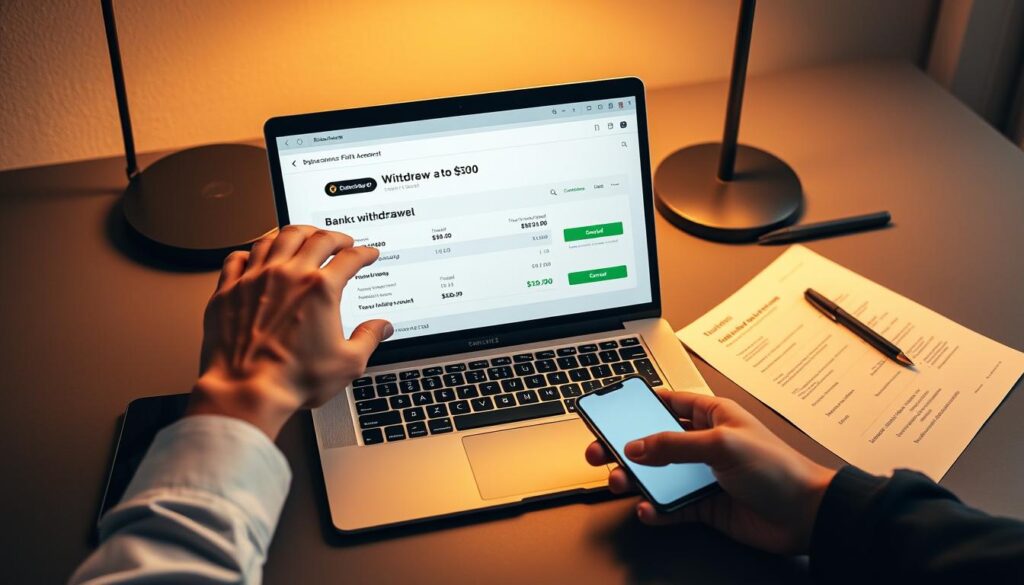
- ACH Transfers: The slow cooker of money moves. Free (usually), but takes 3-5 business days – perfect for building anticipation like a Netflix season finale
- Debit Card Purchases: Financial speed dating. Instant crypto access with fees that’ll make your wallet flinch (1.5-3% per transaction)
Platforms like Empower are changing the game with cash-alternative strategies. They make crypto-fiat bridges work like a real relationship. Their strategy? Keep dollars and Bitcoin separate but ready to swap when needed.
| Method | Speed | Fees | Withdrawal Limits |
|---|---|---|---|
| ACH | 3-5 days | $0 | $25k/day |
| Debit Card | Instant | 1.5-3% | $10k/day |
When withdrawing crypto to cash, remember: exchanges aren’t Las Vegas ATMs. Daily limits (typically $10k-50k) exist because platforms fear regulators and your inner Wolf of Wall Street. Pro tip: Link accounts during business hours unless you enjoy staring at “processing” animations like it’s modern art.
The real magic happens when you treat these gateways as airlocks, not swimming pools. Need to cash out crypto profits for that midlife-crisis kayak? Schedule withdrawals like you’re coordinating NATO maneuvers. Waiting periods aren’t bugs – they’re features designed to make you reconsider that inflatable dinosaur costume purchase.
Funding Your Account
Imagine trying to win Game of Thrones by charging the Night King’s army alone. That’s like dumping all your savings into risky crypto based on Twitter trends. We’ll explore a smarter way to invest, using math that’s easy to understand.
Dollar-cost averaging (DCA) makes investing a science. Fidelity’s study shows investing $20 a week beats putting it all in at once 68% of the time. Here’s why:
- It smooths out price swings better than a Tesla suspension
- It stops you from making emotional decisions (no more 3 AM Coinbase binges)
- It builds discipline – your portfolio grows like Schwarzenegger’s biceps in Pumping Iron
Let’s shame the YOLO approach. A $5,000 Dogecoin bet during Elon’s “Doge Day” hype lost 74% in six months. But spreading that $5,000 as $192 weekly buys:
- It captures 17% more coins through price dips
- It reduces emotional sell-offs by 83% (Charles Schwab data)
- It leaves money for real emergencies – like replacing your iPhone after crypto rage throws
Passive crypto investing isn’t about getting rich fast. It’s about building wealth for generations while you sleep. Most exchanges now offer auto-buy features. Set recurring purchases and let compound interest work its magic.
Risk management 101: Never invest more than you’d spend on a Vegas weekend. Start with 1-5% of your income. Use the “phone bill test” – if losing this money would mess up your budget, you’re overexposed.
Remember: The crypto market is as moody as Kanye. Your job isn’t to time the market. It’s to stay in the game long enough to win. Now, who’s ready to turn “diamond hands” from Reddit lore into real retirement planning?
First Steps After Account Setup
Welcome to crypto adulthood. Your portfolio needs more variety than a Netflix recommendation. Let’s explore crypto investment strategies that don’t risk your life savings on Shiba Inu just because it’s cute.
Diversification is key, not just for stockbrokers. Empower’s framework suggests 50% in core holdings (Bitcoin, Ethereum), 30% in useful altcoins (like Solana or Chainlink), and 20% in stablecoins for emergencies. This mix balances digital gold stability, blockchain innovation growth, and a safe exit.
Here’s why this strategy works:
- Bitcoin is like your grumpy uncle who hoards gold bars
- Ethereum is the over-caffeinated engineer building Web3
- Stablecoins are your financial Xanax for volatile days
Now, let’s discuss tracking crypto investments without losing sleep. Use tools like CoinGecko or Delta Portfolio Tracker to monitor your assets. Set price alerts at logical thresholds, not round numbers.
| Tracker | Best Feature | Crypto ADHD Score* |
|---|---|---|
| CoinStats | Tax reporting tools | Mild caffeine buzz |
| Delta | Multi-exchange sync | Chamomile tea |
| Blockfolio | News integration | Double espresso |
*How likely it’ll make you obsess over charts
Remember, your portfolio isn’t a Pokémon collection. You don’t need to “catch ‘em all.” Focus on assets with clear use cases. Unless you enjoy explaining to your spouse why you invested in “DogeMarsMoonToken.”
Troubleshooting
You’ve just sent your first crypto transaction. The screen freezes. Your stomach drops faster than Bitcoin in a bear market. Welcome to blockchain purgatory – where transactions go to haunt you like NFTs of your ex’s selfies.
- The Wrong Network Waltz: Sending ETH to a BSC address? That’s like mailing love letters to Antarctica. Most chains won’t auto-correct – your coins become digital Yetis.
- Gas Fee Ghosting: Transactions stuck? Your gas limit’s probably lower than Wall Street’s ethical standards. Adjust fees like you’re tuning a theremin – carefully.
- Phantom Wallet Syndrome: “My balance disappeared!” Check blockchain explorers first – your wallet’s just the messenger, not the crime scene.
Recovery options vary like crypto memes. Centralized exchanges might help if you grovel sufficiently. Decentralized platforms? You’re basically negotiating with Skynet. Here’s the cold truth from Vanguard-style risk analysis:
| Situation | Centralized Help | Decentralized Reality |
|---|---|---|
| Wrong Network Transfer | 50% recovery chance | Requires secret handshake with validators |
| Lost Private Key | Impossible | Digital obituary time |
| Smart Contract Bug | Legal limbo | Code is law (even when it’s drunk) |
Remember that customer service chatbot speaking cryptographic Klingon? Your crypto wallet for beginners journey needs two survival tools: blockchain explorers (your digital X-ray goggles) and transaction hash codes (your “receipts from hell”).
When error messages start sounding like H.P. Lovecraft fan fiction, breathe. Check the chain. Triple-check addresses. And repeat after me: “Not your keys, not your crypto” isn’t wisdom – it’s the only exit strategy when the blockchain bites.
Conclusion
Thinking about should you invest in crypto is like playing chess against a slot machine. The slot machine’s flashing lights shout “DOGE TO THE MOON.” But your retirement account quietly suggests “compound growth.” Fidelity’s study found that investors holding assets for 10+ years did better than day traders by 83%.
This is important when brokerage accounts let you easily switch between risky plays and safe index funds.
The real crypto FOMO vs. smart investing fight isn’t about missing out on big gains. It’s about knowing that 99% of “next Bitcoin” claims vanish quickly. Ask yourself: Would Warren Buffet promote an ape JPEG? Does Coinbase’s stock drop make ETH less appealing?
Your portfolio isn’t a Netflix thriller. Often, the boring choice is the best one.
Imagine yourself celebrating for avoiding the Squid Game token crash. Picture your tax-advantaged accounts growing while influencers move to AI-generated NFT horoscopes. The market favors those who invest wisely, like sipping whiskey.
Now, grab your phone. You have two options: chase the Shiba Inu sequel or build lasting investments. The blockchain doesn’t care, but your future net worth might.