
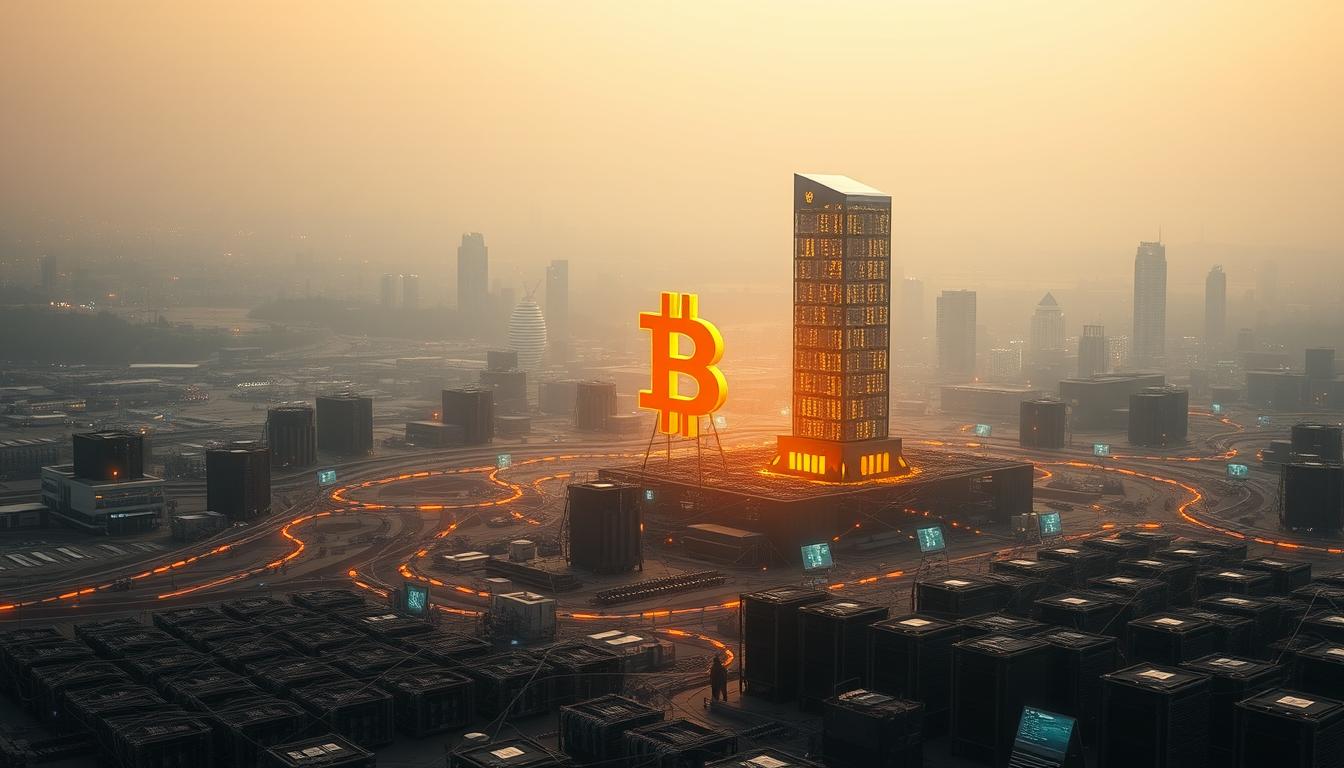
Imagine digital gold coming from math problems, not pickaxes. That’s how cryptocurrencies are made—it’s like a mix of a superhero story and a financial revolution. Unlike traditional money, blockchain creates value through complex puzzles and group agreement.
Bitcoin changed everything when it launched in 2009. It’s like Tony Stark creating a digital bank in his garage, but with math problems instead of gadgets. Miners around the world solve these problems, securing transactions and creating new coins in the process.
Ethereum brought a new twist with smart contracts. It didn’t just create money; it made money that could make deals on its own. This changed how we think about how does cryptocurrency work, shifting focus from just digital cash to a whole new financial system.
Now, there are many ways to create value in the crypto supply chain. You have mining rigs, staking pools, and protocols that issue tokens. It’s not just about printing money; it’s more like a game where you choose your path.
What Does It Mean to ‘Create’ Cryptocurrency?
Imagine trying to herd cats. But these cats are solving complex math problems. That’s crypto creation in a nutshell. It’s not about making coins, but getting a network to agree on which transactions count.
Creating cryptocurrency isn’t about making tokens. It’s about certifying their legitimacy through network-wide agreement. Think of it like updating a shared Google Doc.
- Miners solve puzzles (Proof of Work gym rats)
- Stakers lock up coins as collateral (Proof of Stake trust fund kids)
- The system rewards whoever helps maintain the ledger
This isn’t your grandfather’s monetary policy. We’re talking about consensus algorithms – the digital referees that prevent everyone from editing the blockchain simultaneously. The real magic happens when the network collectively shouts: “Yes, this transaction is legit!”
Why does this matter? Because crypto creation flips traditional finance on its head. Instead of central banks controlling supply, we’ve got:
- Code-enforced scarcity (Bitcoin’s 21 million cap)
- Community-governed issuance (see: DAO proposals)
- Algorithmic stability mechanisms (looking at you, Terra/Luna crash)
The beauty? Anyone can participate in this creation process – provided you’ve got either serious computing power (mining rigs that could heat a small town) or enough crypto to make a whale blush (staking pools). It’s less “creation” and more “curation through cryptographic meritocracy.”
Let’s break it down street-style: creating crypto is like hosting the world’s nerdiest rap battle. Miners drop beats with GPU firepower while stakers flow rhymes about token ownership. The crowd (nodes) decides whose verse gets added to the blockchain mixtape. And the prize? Newly minted coins and transaction fees – the ultimate crypto cypher trophy.
Overview: Blockchain and Consensus
Imagine Manhattan’s power grid run by competitive mathletes. That’s blockchain consensus in a nutshell. Unlike traditional banking, blockchains make financial validation a group effort. Every participant checks everyone else’s homework.
This creates a system where trust isn’t given. It’s earned through algorithms.
A blockchain is a digital ledger with a lot of drama. Every transaction goes through a network of nodes. Think of them as nosy neighbors with spreadsheets.
Transactions are verified through cryptographic puzzles. Imagine Sudoku that pays rent. They’re then added to a chain of blocks that even Thanos couldn’t alter.
Bitcoin’s proof-of-work system is like a never-ending math competition. Miners worldwide race to solve complex equations. They burn enough energy to power small countries.
The winner updates the ledger and gets fresh bitcoin. It’s like the ultimate participation trophy.
Ethereum’s shift to proof-of-stake was like The Empire Strikes Back. It was controversial and game-changing. Validators “stake” their crypto as collateral instead of solving equations.
Get caught cheating? Your digital wallet gets Force-choked.
Traditional bankers must feel like scribes watching the printing press. Why use paper ledgers when you have a self-auditing system? It runs 24/7 without coffee breaks.
The real magic is in the consensus rules. They’re like Robert’s Rules of Order, but with a caffeinated AI.
This validation arms race makes cryptocurrency mining look like sci-fi. But here’s the kicker: while Wall Street sleeps, blockchain networks are reinventing trust. They use code, competition, and pure cryptographic spite.
Crypto Mining Explained
Imagine Walter White’s secret lab, but instead of making meth, it’s filled with ASIC miners. These machines solve puzzles to create new coins and use a lot of electricity. It’s like a digital gold rush, but instead of gold, it’s all about solving complex problems.
Equipment: From Laptops to Industrial Rigs
Mining hardware has changed a lot, like Iron Man’s suits. People started with CPUs, then moved to GPUs. Now, they use ASICs, which are super fast at solving puzzles. Here’s a quick look at the different types of mining hardware:
| Hardware | Cost | Power Draw | Efficiency |
|---|---|---|---|
| ASIC Miner | $3,000-$15,000 | 3,200W | Dominates Bitcoin mining |
| GPU Rig | $2,500-$5,000 | 1,000W | Flexible for altcoins |
| CPU | Free (existing laptop) | 65W | Obsolete for mining |
Energy: The 800-Pound Gorilla in the Server Farm
Bitcoin uses as much energy as Finland in a year. This is because each transaction needs miners to solve complex puzzles. It’s like trying to guess the perfect pizza toppings in a huge kitchen.
Rewards: Digital Gold or Fool’s Errand?
Miners don’t just do it for fun. They earn new coins for solving puzzles. But, there’s a catch. Every four years, the rewards get cut in half, making it a challenging game.
It’s tough to compete with big mining pools and huge server farms. Most miners join pools to share the rewards. It’s like a big crypto pizza party.
Crypto Staking Explained
Crypto mining is like the Wolf of Wall Street of blockchain. Staking is like its Marie Kondo counterpart, focusing on joy and simplicity. It’s about validating transactions without the high energy costs.

Proof of Stake vs Proof of Work: Tesla vs Steam Engine
Proof of Work is like a 19th-century coal plant. It’s all about mining digital gold. Proof of Stake is like Elon Musk’s solar farm in Nevada. It’s about using existing crypto holdings.
The main difference is energy use. Bitcoin miners use a lot of energy. Stakers use much less, making it more energy-friendly.
| Proof of Work | Proof of Stake | |
|---|---|---|
| Energy Use | Nation-state level | Laptop-friendly |
| Entry Cost | $10k+ rigs | 32 ETH (or pool shares) |
| Validation Power | Hashrate muscle | Coin ownership |
The Ethereum 2022 merge was a big change. It made validators like blockchain bouncers. It’s more efficient to use sunlight than coal.
Earning Rewards: Crypto’s High-Yield Timeshare
Staking rewards are like getting paid to take care of your neighbor’s plants. It’s a system that rewards honesty. Misbehave, and your coins could be lost.
- DIY Staking: Lock 32 ETH for a 3-5% annual yield. It’s like a crypto CD.
- Pool Parties: Join staking pools for fractional rewards. It’s like a timeshare in crypto.
- Exchange Programs: Let Coinbase handle it. Rewards are like high-yield savings, but with memes.
Rewards can change like a TikTok algorithm. Network activity and total stakers play a role. But, when you get 6% APY, it’s hard to ignore.
Other Methods of Token Generation (ICOs, Airdrops)
Forget pickaxes and hard hats – crypto creation has its own version of Silicon Valley hustle and game show freebies. Let’s talk about the Wild West of token generation. Here, ICOs make crypto bros feel like Wolf of Wall Street extras. And airdrops turn wallets into digital piñatas.
ICOs (Initial Coin Offerings) are crypto’s answer to crowdfunding. It’s like Kickstarter, but with more “trust me, bro” whitepapers. Projects like Ethereum nailed this model. But for every success story, there’s a Dogecoin knockoff promising to “revolutionize pet rock ownership through blockchain.” Three red flags to watch:
- Founders who spend more time on meme marketing than code
- Roadmaps vaguer than a horoscope app
- “Utility tokens” that solve problems nobody actually has
Now let’s talk airdrops – the crypto equivalent of Oprah yelling “You get a car!” Projects like Uniswap made this mainstream, showering users with free tokens like confetti at a billionaire’s birthday. But here’s the twist: these airdrops aren’t charity. They’re strategic plays to:
- Boost network adoption faster than a TikTok trend
- Create instant communities (and potentially bag holders)
- Distribute power away from centralized whales
Regulators are watching these methods like chaperones at a prom. The SEC recently cracked down on ICOs that smelled more like securities than actual crypto creation tools. Airdrop recipients are finding out that “free money” comes with tax forms and scam risks.
Remember: In the token generation circus, the real magic trick is separating innovation from illusion. Whether you’re eyeing the next big ICO or waiting for airdrops to rain down, keep your scam radar sharper than a crypto influencer’s jawline.
Security, Regulation, and Environmental Impact

Welcome to crypto’s triple threat – the security minefield, Game of Thrones-style regulation battles, and environmental costs. These costs are huge, making old iPhones look small by comparison. Let’s dive into the biggest issue.
Bitcoin mining uses more energy than Finland each year. The e-waste from old mining rigs is like 400,000 iPhones thrown away every year. But these rigs can’t even be repurposed like an old phone. China’s 2021 mining ban was a big deal, freezing $4B in mining revenue overnight.
- Global crypto energy use surpasses Pakistan’s national consumption
- 1 Bitcoin transaction = 1.5 million Visa transactions in carbon terms
- 38% of mining rigs become e-waste within 18 months
Regulators are like the Night King from Game of Thrones, always ready to strike. From Coinbase’s $100M settlement to Ripple’s ongoing XRP lawsuit, the legal battles are intense. Wyoming, on the other hand, is welcoming blockchain startups like a friendly kingdom.
The security issue is complex. Blockchain is seen as secure, but $3B was stolen in 2022. It’s like having a strong fortress but forgetting to lock the door. Recent exchange failures show that even “trustless” systems need protection.
- Proof-of-Work vs climate goals: 65 nations now restrict mining
- MiCA regulations: EU’s answer to crypto Wild West
- IRS Form 1040’s new crypto checkbox: Big Brother meets blockchain
So, what do Americans thinking about crypto face? A choice between energy-hungry mining rigs and a sea of regulations. The future looks uncertain, but one thing is clear – we can’t fight climate change with coal-powered cars.
Should Beginners Try Mining or Staking?
Imagine your gaming PC racing against SpaceX rockets. That’s what mining is like in 2024. Big companies like AntPool and F2Pool control over half of Bitcoin’s power. Your GeForce RTX might as well mine Monopoly money.
Source 1’s calculator shows most rigs won’t make a profit before the next Halving. Mining’s heyday? It’s more like a trip down memory lane, with copper instead of gold.
Staking promises “passive income” like a guru in Bali. But, locking up 32 ETH ($100k-ish) feels like buying a crypto timeshare. Coinbase lets you stake with less, but Source 2 warns of risks.
Your rewards could disappear quickly if markets crash. Staking is like playing digital landlord in a volatile market. For beginners, staking is easier, like playing Vegas.
Mining is like becoming a hardware warlord, needing energy drinks. Staking is like renting out a digital property. For beginners, staking is the safer bet.
Remember Office Space’s advice: “You don’t need a million dollars to do nothing.” Just enough ETH to join the crypto elite… and nerves of steel when the market drops. Your move, Padawan.