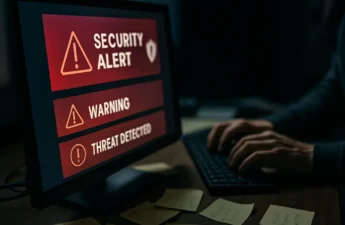

Welcome to the digital gold rush where info moves fast. It’s like Bitcoin transactions during peak hours. Ever feel like you’re drinking from a firehose of content? You’re not alone.
I went from feeling overwhelmed to finding the right content. It’s like Marie Kondo for your digital feed, but with sarcasm. Most beginners take too much info at once, like tourists at a buffet.
Quality beats quantity every time, when money’s involved. The fear of missing out (FOMO) can make you miss more than you gain. Learning to pick the right info is more valuable than any tip online.
Think of this as your guide to becoming an info sommelier, not a content addict.
Signal vs. noise: How to evaluate headlines
Ever feel like you’re navigating a digital minefield every time you check crypto news? Welcome to the attention economy’s ground zero. Here, headlines are not just information. They’re psychological weapons designed to hijack your amygdala.
Remember when Bitcoin died? Of course you don’t, because it’s “died” 471 times according to mainstream publications. Yet here we are, talking about it. The real skill isn’t reading faster. It’s reading smarter.
Let me introduce you to the Three S Test – your new mental framework for separating signal from noise. Think of it as your personal BS detector calibration workshop.
The Source Check
Who’s shouting “fire” in this crowded theater? Is it a respected analyst with transparent methodology, or an anonymous Twitter account with a frog avatar? Credible sources have track records, not just hot takes.
Major news sites often release negative, threatening content to generate clicks and controversy. Ask yourself: Does this outlet have a history of balanced reporting, or do they specialize in doomsday predictions?
The Substance Scan
Look past the screaming capitals and exclamation points. What actual data or events support this headline? Real news cites specific developments: protocol upgrades, regulatory decisions, or measurable market movements.
Clickbait relies on vague threats and emotional triggers. If the headline makes your pulse race but provides zero concrete information, you’ve found digital cotton candy – all sweetness, no nutrition.
The Spin Detector
Language matters. Alarmist terms like “collapse,” “disaster,” or “warning” are emotional manipulation tools. Quality analysis uses measured language even when discussing negative scenarios.
Notice how FUD (Fear, Uncertainty, Doubt) often comes with convenient solutions: “Buy this token to avoid the coming crash!” That’s not journalism – that’s marketing wearing news drag.
| Quality Signal | FUD Noise | Reality Check |
|---|---|---|
| Specific data points | Vague predictions | Numbers don’t lie |
| Named sources | Anonymous “experts” | Accountability matters |
| Measured language | Emotional triggers | Calm heads prevail |
| Context provided | Isolated incidents | Patterns > outliers |
Next time a headline makes your stomach drop, pause. Run it through the Three S Test. Is this substantive analysis or sensationalist garbage? Your portfolio will thank you for the extra 30 seconds of critical thinking.
The best crypto investors aren’t those who predict the future – they’re those who can see through the present’s noise. Your prefrontal cortex deserves more respect than those click-hungry headlines give it.
News sites overview: Daily briefs, investigative pieces, market recaps
Finding good crypto news is like searching for a reliable weather forecast in a storm. Some sources are experts, while others are just guessing. I’ve learned to tell the difference.
The crypto news world has three main types. They’re like your daily food: quick bites, big meals, and constant snacks.
Daily drivers are like your morning coffee. Sites like CoinDesk and Decrypt give you quick, reliable news. They’re like the AP wire service for crypto, without the hype.
Deep divers are for your weekend reading. The Block and Protos do deep, investigative journalism. They’re like the 60 Minutes of crypto, digging deep into stories.
Market monitors keep an eye on prices and news. Sites like CoinTelegraph and CryptoSlate are always up to date. But, being first doesn’t always mean being right.
My list of the best crypto news websites focuses on quality over speed. Look for sites that back up their stories with facts. Avoid those that just copy Twitter.
Always remember: if a story seems too good to be true, wait for confirmation. Buying based on unverified reports is a rookie mistake.
The best crypto news websites value accuracy over being first. They help you make smart choices, not just fast ones.
Using this three-tier approach keeps you informed without getting lost in the noise. You’ll know when to read fast and when to dive deep.
Forums & communities: Reddit, Discord, Telegram—safety rules
Welcome to the digital Wild West where crypto fans meet. It’s a mix of thinking and fun, but always unpredictable. You need to be smart to navigate these digital spaces.
Reddit crypto groups are key for talking about crypto. r/CryptoCurrency has 9.58 million members discussing everything from Bitcoin to meme coins. It’s like a big stock exchange and Twitter combined. They even use Moons tokens as rewards for sharing opinions.
Each big subreddit has its own vibe and rules. r/Bitcoin is for serious Bitcoin talks with 7M members. r/Ethereum is for smart contract security debates with 1.6M members. r/CryptoMarkets is for traders with 1.7M members.
Discord has its own safety rules to keep things real. On Discord, quality crypto servers use verification systems, active moderation, and strict guidelines to filter out scams and misleading advice. The best communities prioritize education, transparency, and real discussion over hype.
As these digital communities grow, they’re also intersecting with broader real-world initiatives—especially in areas like betting ecosystems and community economic development events. These events often bring together crypto enthusiasts, local entrepreneurs, and investors, blending online insights with offline impact. It’s a reminder that crypto isn’t just happening on screens—it’s increasingly tied to how communities build, fund, and grow together.
Here’s how major platforms compare for crypto talks:
| Platform | Member Count | Primary Focus | Safety Features |
|---|---|---|---|
| r/CryptoCurrency | 9.58M | General discussion | Karma requirements, Moons economy |
| r/Bitcoin | 7M | Bitcoin development | Strict moderation, technical focus |
| r/Ethereum | 1.6M | Smart contracts | Developer-led discussions |
| r/CryptoMarkets | 1.7M | Trading analysis | Market discussion only |
| r/Dogecoin | 2.5M | Meme coin community | Light moderation, humor-focused |
Reddit crypto groups have their own safety rules. They use karma to keep spammers out. They also ban direct financial advice to avoid legal trouble.
Discord safety starts with verification. Good servers check your email and use two-factor auth. They watch for scams and have clear channels for talks.
Telegram groups are tricky with less moderation. They offer privacy but make managing groups hard. Scams often hide here, looking like special deals.
Three key safety tips for crypto groups:
- Check info from different sources before acting
- Never share your private keys or wallet info
- Be wary of unsolicited investment advice
Remember, if it seems too good to be true, it probably is. The best skill is knowing when to leave a conversation. Spotting scams is more important than finding deals.
Following builders: GitHub, release notes, roadmaps
Forums are like the party chatter, but GitHub shows the real work. It’s like buying a car without seeing it. Many crypto investors ignore the code repositories.
GitHub activity reveals the truth about any project. Are developers really building, or just keeping things running? The commit history is honest. I’ve learned to spot real progress from excuses.
Roadmaps are important too. They often say “Q2 2023” but mean “maybe before 2025.” Learning to read these lines has saved me from bad investments.
Here’s how I check developer activity:
- Commit frequency: Regular updates mean active work
- Issue resolution: Quick fixes show they’re on top of things
- Documentation quality: Good docs mean they’re professional
- Community contributions: Good projects get outside help
Don’t worry about technical documentation. You don’t need a computer science degree. Look for clear explanations and regular updates.
Innovation beats marketing fluff. What’s happening in the code matters more than what they say.
| Indicator | Healthy Project | Warning Signs |
|---|---|---|
| GitHub Activity | Regular commits, many contributors | Months without updates, one developer |
| Roadmap Updates | Realistic timelines, finished milestones | Constant delays, vague plans |
| Documentation | Clear guides, API info | Outdated info, missing sections |
| Community Engagement | Active discussions, helpful answers | Ignored issues, defensive responses |
Understanding the code is key. For more on developer resources, check out this list of essential websites for programmers.
Learning this takes time, but it’s worth it. You’ll spot real projects from just hopes. The code always tells the truth; you just need to learn to read it.
RSS, newsletters, and notification hygiene
Think of your information intake like a digital diet. Would you survive on nothing but caffeine and junk food alerts? Your notification settings are your first line of defense against the constant assault of the attention economy.
I’ve spent years perfecting my information consumption system. I’ve tried every RSS setup and newsletter configuration imaginable. I’m like your digital nutritionist, helping you cut through the noise.
The art of curation separates informed investors from overwhelmed spectators. Which newsletters deliver unique insights versus just repackaging free content? How do you set up RSS feeds that serve your interests, not someone else’s advertising agenda?
Here’s my hierarchy for managing information sources without losing your sanity:
- Tier 1: Immediate alerts (regulatory changes, major security breaches)
- Tier 2: Daily digest (market recaps, project updates)
- Tier 3: Weekly analysis (trend pieces, technical deep dives)
My notification triage system prevents constant phone screaming about every 2% price movement. If you’re getting alerts about minor fluctuations, you’re not trading – you’re having a panic attack with extra steps.
| Platform | Optimal Frequency | Verification Method | Mental Cost |
|---|---|---|---|
| Email Newsletters | Weekly | Check primary sources | Low |
| RSS Feeds | Daily scan | Cross-reference authors | Medium |
| Push Notifications | Emergency only | Official channels only | High |
| Discord/Telegram | Scheduled checks | Admin-posted content only | Variable |
Quality RSS feeds act like your personal news curator. They filter out the junk and deliver nutritional content directly. The key is selecting sources that provide original reporting, not recycled headlines.
Ask yourself: Does this source consistently break news or just summarize others? Do they admit mistakes or double down on errors? The answers determine their place in your information ecosystem.
Your goal isn’t to consume everything. It’s to build a system that keeps you informed without making you insane. In crypto, the best investment isn’t always the token – it’s your attention.
Spotting rumors, sponsored posts, and paid “opinions”
If you think a glowing token review is genuine, think again. The crypto world is full of paid opinions masquerading as real advice. Knowing the difference is key to avoiding scams.
Paid promotions often follow a pattern. Suddenly, everyone’s talking about the same token. Influencers show sudden interest in projects they never mentioned before. The language quickly shifts from analysis to advertisement.
Here’s how to tell the real from the fake:
| Content Type | Authentic Content | Paid Promotion | Red Flags |
|---|---|---|---|
| Token Reviews | Balanced pros/cons | Only positive aspects | No risk discussion |
| Project Analysis | Technical deep dive | Surface-level praise | Vague terminology |
| Investment Advice | Clear risk warnings | “Guaranteed” returns | Urgency language |
| Community Posts | Organic discussion | Coordinated messaging | Identical phrasing |

My checklist has saved me from many bad opportunities. First, check if the influencer talked about the project before it got popular. Second, look for any disclosure statements. Sponsored content rarely says “sponsored” in crypto.
Third, analyze the language. Real experts talk about risks and challenges. Paid promoters use exaggerated language and create false urgency. Fourth, check multiple sources. If only one influencer is pushing something, be cautious.
Coordinated pump campaigns often pretend to be “community discoveries.” Remember, if something seems too good to be true, it probably is. Trust is built on consistency, not just charisma.
Developing this influence detector mindset protects your investments and peace of mind. The most valuable skill in crypto isn’t trading. It’s spotting who’s trading their credibility for your attention.
Building a balanced info diet: Technical + regulatory + security
I once thought I knew blockchain inside out but missed important regulatory changes. This cost me money. I learned that you need a balanced diet of information in the crypto world. It’s not just about the tech.
Think of it like a meal: technical knowledge is like protein, building your skills. Regulatory awareness is like carbs, giving you energy. And security is like vitamins, keeping you safe. Without any, you’re not fully prepared.
Technical understanding helps you spot real innovation from fake promises. I spend about 40% of my time learning about this. Subreddits like r/CryptoTechnology dive deep into tech. GitHub shows you what’s actually being built, not just promised.
Regulatory awareness helps avoid surprises. I didn’t pay attention once and it cost me. I spend 30% of my time here. The r/CryptoCurrency thread is my go-to for policy updates. It helps me understand how new rules affect my investments.
Security knowledge keeps your assets safe. This gets 30% of my focus. We’re talking about 2FA, cold storage, and scam recognition. Security subreddits are like having a digital bodyguard. They teach you to avoid phishing scams.
| Information Type | Time Allocation | Key Resources | Why It Matters |
|---|---|---|---|
| Technical Analysis | 40% | r/CryptoTechnology, GitHub | Understand the technology behind investments |
| Regulatory Updates | 30% | r/CryptoCurrency regulatory threads | Avoid legal surprises and compliance issues |
| Security Practices | 30% | Security subreddits, official docs | Protect assets from theft and scams |
This balanced approach keeps me from being like that friend who only talks about crossfit. Knowing tech but not regulations is like driving without knowing the rules. And knowing regulations but not tech is like knowing the rules but not how to drive.
And without security? That’s like driving a convertible with the top down in a bad neighborhood at 2 AM. Your crypto journey needs all three wheels turning. Anything less, and you’re just asking for trouble.
Comment etiquette and avoiding brigading/scams
Entering a crypto forum without knowing the rules is like bringing a vuvuzela to a chess game. You’ll make noise, but no one will like it. I learned this the hard way, almost getting banned from three subreddits.
Crypto communities have their own rules. They help tell apart good contributors from annoying newcomers. Everyone is always on the lookout for scams.
- Read before writing: Check recent posts before asking questions. Asking about something already discussed is seen as lazy.
- Show your homework: Instead of asking “What’s the best wallet?”, say “I’ve looked at Ledger and Trezor – any experiences?”
- Avoid financial advice requests: Questions like “Should I buy X coin?” are often seen as scams or shill attempts.
To spot scams, look for patterns. Brigading often has clear signs:
- Many new accounts posting the same thing
- Too many positive comments on old threads
- Too much enthusiasm without real substance
Scams have changed, not just “send me Bitcoin” messages. Watch out for:
- DMs from “support staff” asking for codes
- Comments pushing certain exchanges with unrealistic offers
- “Limited time” deals that push you to act fast
My rule: If something makes you feel like you’ll miss out, it’s likely a scam. Real deals don’t need to rush you.
Good communities police themselves. If moderators are removing content and members are calling out scams, it’s a good sign. But if everyone is cheering without question, it might be a scam.
The best skill in crypto forums isn’t knowing everything. It’s asking smart questions that show you’ve done your homework without sounding like a scammer.
Weekly routine template for staying current in 30 minutes/day
Let’s create your own crypto intelligence system. It should be efficient, not a time-waster. You don’t need to be a full-time analyst to stay up-to-date. Crypto influencers often exaggerate the need for “masterclasses.”
I’ve developed this system through trial and error. It keeps me informed without taking over my life. It’s like intermittent fasting for your crypto brain, giving you all the good stuff without constant distractions.

Here’s the truth: spending hours daily on crypto content is either day trading or procrastination. This 30-minute system gives you maximum signal with minimum noise.
My daily routine has four focused blocks:
| Time Allocation | Activity | Tools | Purpose |
|---|---|---|---|
| 10 minutes | Headline scanning | Curated RSS feeds, news aggregators | Market-moving events awareness |
| 10 minutes | Community pulse-checking | Reddit, Discord quality channels | Sentiment and emerging trends |
| 5 minutes | Technical development updates | GitHub, project blogs | Builder activity tracking |
| 5 minutes | Regulatory news | Newsletters, official sources | Policy change awareness |
The morning scan is your energy boost. I use tools that filter out the noise. No endless scrolling or clicking.
Checking the community is like a quick peek at your ex’s Instagram. I stick to trusted channels. No getting caught up in pointless debates.
Technical updates are key. I follow specific GitHub repositories and developer channels. It’s about spotting important changes, not reading every line of code.
Regulatory news keeps you informed. I focus on primary sources and quality analysis. No conspiracy theories or rumors.
The secret is ruthless automation and strict boundaries. Set alerts for what matters. Mute the rest. Your time is valuable – protect it.
This system works because it’s sustainable. It won’t make you the smartest person in every crypto thread. But it will make you the most efficient, and that’s valuable.
Resource list and community guidelines
After exploring the crypto world, I’ve gathered a list of trusted resources. These have passed my tough quality checks.
For top crypto forums, start with Reddit’s r/CryptoCurrency for all things crypto. r/EthFinance is great for Ethereum news. And r/BitcoinBeginners is perfect for newbies.
It’s important to follow community rules. Always check facts from different sources before making a move. Never give out your private keys or seed phrases, as real communities won’t ask for them.
When choosing resources, look at the contributor’s history. Make sure claims are backed up and value is consistent. Good forums have active moderators and don’t tolerate low-quality posts.
For your safety, use two-factor authentication and different emails for each platform. Treat every direct message as a scam until confirmed.
Keep your skepticism sharp. These tools will change, but your critical thinking is always the best defense against false information.