
Imagine you’re in a digital saloon with 1,700 altcoins on BitMart’s menu. The air is filled with FOMO and “wen lambo?” memes. But, your crypto isn’t in saddlebags. It’s protected by strong encryption.
Why worry about security when coins look so appealing? Because digital gold rushes attract bandits. Traditional brokers offer FDIC insurance, but crypto exchanges like BitMart tempt you with altcoin buffets. You need to learn crypto security basics to avoid risks.
Here’s how to stay safe. Start with a crypto wallet for beginners that’s easy to use. Cold storage wallets are like Fort Knox, while hot wallets offer convenience but less security. Next, vet exchanges like Tinder dates. Look for strong security, insurance, and a CEO who doesn’t tweet “apologies for the hack” at 3 AM.
This isn’t about killing the thrill of crypto. It’s about surviving it. In a world where your portfolio can change fast, the real success is keeping your coins safe.
Introduction
Imagine starting with crypto investing like Christopher Nolan directing your first stock trade. It’s full of exciting visuals, confusing timelines, and three moments where you question reality. Bitcoin’s 2025 price could swing wildly, from $115k highs to $100 transaction fees in no time. It’s not just Monopoly money; it’s your real savings on a blockchain rollercoaster.
New investors face two harsh truths:
- 73% get phished within six months (Fidelity’s “Welcome to Crypto” reality check)
- ATM fees devour 15% of purchases vs. 1% on regulated exchanges
Why do beginners become phishing piñatas? It’s because crypto is like defusing a bomb and dealing with a Tinder scammer at the same time. The “risks vs rewards” here isn’t math; it’s a battle against your own FOMO.
| Platform | Average Fee | Security Level |
|---|---|---|
| Bitcoin ATMs | 10-15% | 🚨 Low (Skimmers Galore) |
| Major Exchanges | 0.1-1% | 🔒 High (With 2FA) |
That $100 Bitcoin purchase? At a shady ATM, you’re paying $15 for maybe getting crypto. It’s like tipping a vending machine that might steal your credit card. But here’s the twist: Surviving crypto’s wild west doesn’t need a finance degree. You just need Spider-Man-level vigilance against red flags we’ll decode like Da Vinci’s cryptex.
So – ready to join the 27% who don’t become phishing statistics? Let’s turn your first crypto buy from Russian roulette into a calculated chess move.
Researching Exchanges
Choosing a crypto exchange isn’t like Tinder. Swiping right for low fees can be risky. It’s important to do your research.
I once saw a friend get attracted to BitMart’s low fees. But later, they found out it was not safe. This is why understanding crypto exchanges is key.
Understanding Crypto Exchange Red Flags
BitMart’s hack showed the dangers of ignoring security. It’s like a fancy restaurant with hidden problems. Unlike Fidelity, many exchanges don’t focus on security.
Here are some warning signs:
| Security Feature | BitMart | Traditional Broker (Fidelity) |
|---|---|---|
| Third-Party Audits | None (2021) | Quarterly |
| Insurance Coverage | 0.5% of assets | SIPC + $1B Lloyd’s policy |
| 2FA Enforcement | Optional | Mandatory |
Here are three things to watch out for:
- The “Trust Us Bro” Audit Policy: Exchanges without third-party reviews are risky. It’s like a surgeon without medical school.
- Insurance Theater: Claims of “98% cold storage” without clear details are suspicious. It’s like “The check’s in the mail!”
- Feature Bloat: Exchanges focusing on fancy features over security are dangerous. It’s like a theme park without safety measures.
Would you eat at a top restaurant without health checks? Your crypto security basics checklist should be strict. In Web3, missing a moonshot is bad, but funding someone else’s Lambo is worse.
Setting Up Wallet Protection
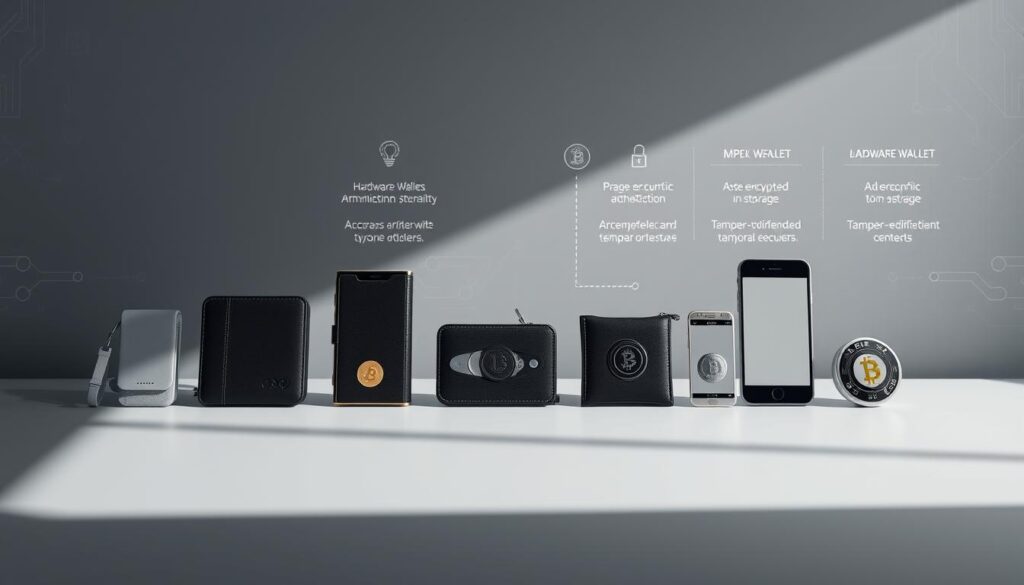
Think of your crypto like rare Pokémon cards. Would you keep Charizard in a shoebox? Choosing between hot and cold wallets is like picking between security and convenience. Bitcoin.org warns that “exchange wallets make easier targets than a piñata at a birthday party.”
Hot vs Cold Storage Showdown
Hot wallets are like digital fanny packs – easy for small amounts but risky for big ones. Coinbase’s free cloud option is good for small amounts. Ledger’s $79 Nano X is like a Mission: Impossible briefcase. Ask yourself: “Would I carry this amount of cash in a subway station at midnight?”
| Feature | Hot Wallet | Cold Wallet |
|---|---|---|
| Hack Vulnerability | Like a screen door | Bank vault-grade |
| Access Speed | Instant | 5-10 minutes |
| Ideal For | $200 play money | Life savings |
Crypto Wallet for Beginners: Step-by-Step
- Download a reputable wallet app (like Exodus or Trust Wallet)
- Write recovery phrases on paper – not in your Notes app
- Transfer small amounts first (test-drive before road trip)
- Enable 2FA – because “password123” won’t cut it
For passive crypto investing, cold wallets are like automated savings accounts. They help you forget about your crypto. But, remember: even the best lock won’t help if you leave the key out. The FBI says 80% of crypto thefts come from user errors, not system breaches.
Avoiding Phishing Scams
Remember the old days of email scams about princes needing help moving gold? Crypto phishing scams are way more sophisticated now. They use FOMO, fake customer support, and cloned exchange sites. All while looking cool in their “Blockchain Developer” hoodies.
The Nigerian Prince of Web3
Today’s crypto scams are not just about emails. Imagine getting a text saying “Urgent: Your $1,200 PayPal deposit requires 8% fee verification”. It looks real, but it’s not. Legit platforms never ask for fees via DM. This is how scammers make money off of FOMO.
| Classic Scam | Web3 Upgrade | Red Flags |
|---|---|---|
| “Nigerian prince” emails | Fake Elon Musk giveaway tweets | Unsolicited offers |
| Lottery win notifications | “Wallet verification” Discord bots | Pressure to act fast |
| Bank transfer requests | Phony exchange login pages | Mismatched URLs |
| IRS threats | “KYC confirmation” SMS alerts | Requests for seed phrases |
Three big mistakes beginner crypto investors make:
- Trusting customer support messages in Telegram groups
- Clicking links from “Coinbase Security” texts
- Approving wallet connections for “free NFT claims”
Smart investing means being cautious with crypto messages. Treat every unsolicited message like a stranger in a dark alley. Always check through official channels. Your future self will be grateful for this.
Safe Payment Methods
Choosing how to fund your crypto portfolio is like picking your getaway driver. We’ll look at three main options: credit cards, bank transfers, and stablecoins.
Credit Cards vs ACH Transfers
Using a credit card for crypto is like using a flamethrower for birthday candles. It’s possible but costly. Credit card fees can be as high as 4%.
ACH transfers are slower but cheaper. They cost less than a morning latte.
Here’s the cold math:
- Bitcoin ETFs: 0.15-1.5% expense ratios (the grown-up table)
- Crypto credit cards: 3-4% fees (the kids’ menu with crayons)
- Bitcoin ATMs: 14.39% average markup (financial convenience store pricing)
Understanding Stablecoins’ Role
Stablecoins are like training wheels for crypto investing. They’re dollar-pegged tokens that let you invest without the risk of Bitcoin’s ups and downs. Think of USDC as your financial pause button.
Stablecoins are great for beginners:
- Zero purchase fees on major exchanges
- Instant conversion to volatile coins when ready
- No bank transfer wait times
Smart crypto investment strategies start with minimizing friction. Paying 4% upfront means your investment needs more thrust. Choose payment rails carefully, like you would a parachute.
Importance of Two-Factor Authentication
Losing 2.3 BTC to a SIM swap is like watching your Lamborghini drive off with a teenager who guessed your Instagram password. While tracking crypto investments might dominate your spreadsheet time, securing them requires more than just math skills. Exchanges like BitMart now mandate 2FA—not because they’re control freaks, but because SMS-based security has more holes than a blockchain conference Wi-Fi network.
SMS vs Authenticator Apps: The Gladiator Arena
Let’s dissect this like a Bitcoin maximalist analyzing a meme coin’s whitepaper. SMS 2FA relies on your phone number—a system so fragile it makes Game of Thrones plot armor look robust. A Reddit user learned this the hard way when attackers ported their number and drained 2.3 BTC (roughly $69,000 at 2021 prices).
On the other hand, authenticator apps like Google Authenticator generate codes locally—no cellular signal required.
| Feature | SMS 2FA | Authenticator Apps | Yubikey |
|---|---|---|---|
| Security Level | Screen door | Deadbolt | Bank vault |
| SIM Swap Risk | Critical vulnerability | None | Immune |
| Setup Time | 2 minutes | 4 minutes | 7 minutes |
| Recovery Options | Carrier-dependent | Backup codes | Physical redundancy |
Why trust SMS when even your pizza delivery app offers better security? Authenticator apps create rotating codes that self-destruct faster than NFT hype. For maximum protection, hardware keys like Yubikey use U2F protocols—the same tech guarding Google’s servers. Pro tip: If your exchange doesn’t support these, exit faster than a Terra investor during the death spiral.
Setting up Authy takes less time than reading this sentence. Scan a QR code, store backup keys in a password manager (not your Notes app), and sleep knowing your crypto security basics are tighter than a Satoshi wallet.
Red Flags in the Crypto World
Exploring crypto markets is like a Brooklyn art dealer checking out a “lost Basquiat” at a garage sale. Fidelity’s warning about crypto risks isn’t just talk—it’s a sign that “this asset class makes GameStop look stable.” Let’s look at the fake investment shows.
Market Manipulation Tactics
The crypto world is full of pump-and-dump schemes, more than a CrossFit gym. These schemes start on Discord and follow a familiar pattern:
- Sudden 300% price spikes on unknown coins (with no real value)
- “100x moonshot!” tweets from secret accounts with ape pictures
- Liquidity disappears fast, like a Tesla stock rebound
| Manipulation Tactic | 2021 Dogecoin | 2023 FTX Collapse |
|---|---|---|
| Celebrity Endorsements | Elon Musk tweets | Super Bowl ads |
| Retail Investor FOMO | Reddit memes | Yield farming promises |
| Exit Strategy | Gradual decline | Overnight bankruptcy |
Crypto FOMO vs. Smart Investing
Asking “should you invest in crypto?” without knowing the facts is like deciding to marry after one date. Here’s how to tell the difference:
FOMO-Driven Behavior:
- Chasing “next Bitcoin” claims during late-night scrolling
- Portfolios looking like a CoinMarketCap roulette wheel
- Excusing losses with “HODL” memes
Smart Investing Habits:
- Spreading investments wisely
- Looking into blockchain’s real uses, not just prices
- Staying alert to common crypto scams before they find you
If an investment plan sounds like a Netflix title (“To the Moon or Bust!”), it’s better for popcorn than your portfolio.
Step-by-Step Safe Purchase Process
Buying crypto should be easy, not scary. Our method makes it smooth, like Marie Kondo and Mr. Robot combined. We turn your first purchase into something Swiss bankers would approve of.
The Beginner’s Investment Playbook
Fidelity’s 10% rule is wise, but beginners often treat crypto like a blackjack table. Here’s how to start your investment account safely:
- Calculate your “fun money” budget (If losing it means canceling Cabo? Halve it)
- Put 50% in blue chips (Bitcoin/Ethereum), 30% in mid-caps, and 20% in “lottery ticket” alts
- Buy weekly or monthly – no buying during Elon’s tweets
Remember, crypto is like hot sauce. A little is good, too much is bad. Your portfolio should keep you up only if you’re mining coins.
Cashing Out Without Looking Suspect
Turning crypto to dollars can be tough. The IRS watches exchanges like helicopter parents at prom. Here’s a guide:
| Method | Speed | Fees | IRS Paper Trail |
|---|---|---|---|
| Exchange → Bank | 2-5 days | 1-3% | Full audit trail |
| P2P Platforms | Instant | 5-7% | Form 1099-B required |
| Crypto Debit Cards | Real-time | 4% + ATM fees | Monthly statements |
More than 3 withdrawals a week might raise red flags. Keep records tight. That forgotten Coinbase transaction from 2021? It remembers you.
Withdraw wisely. Dumping $9,999 repeatedly to avoid reporting is risky. The blockchain never forgets, but with planning, your accountant won’t either.
Final Thoughts
Crypto investing for beginners is like trying to understand a Rick and Morty episode. It’s both fascinating and chaotic. Bitcoin is reaching for 2025 goals, but history warns us with stories of Dutch tulip mania and Beanie Babies. Remember, 97% of altcoins have failed, leaving investors with nothing but digital receipts.
Should you invest in crypto? It’s a big decision. Think of it like a tattoo – be ready to remove it later if needed. The crypto market is like the Wild West, where Elon Musk’s tweets can change prices. The SEC’s actions remind us that crypto isn’t just for fun, despite Dogecoin jokes.
To succeed, you need to understand history and be cautious. Diversify your investments like you’re picking songs for a playlist. Choose a few solid ones (like Bitcoin and Ethereum) and avoid too many new ones. Approach new coins with caution, like you would a Tinder date.
The key is to mix curiosity with practical thinking. Make sure your accounts are secure like Fort Knox. Research exchanges carefully and store your assets safely. Crypto’s future is uncertain, but being cautious is key. Remember, “HODL” is more than a joke; it’s a survival strategy.